Welcome to se7enW — Every Question, Every Answer
A quick tour of se7enW: seven kinds of questions — Why, What, When, Where, Which, Whose and How — each answered with real facts, figures and stories you can explore in seconds.
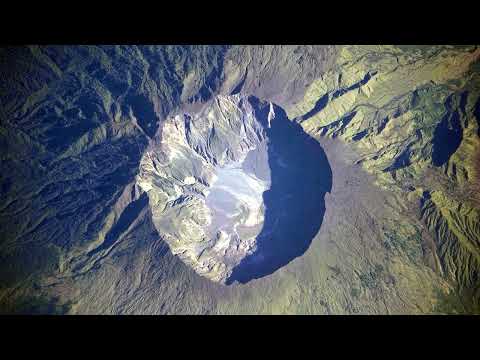
New! Play the Daily Challenge
7 fresh questions every day · build your streak · earn badges · level up
A compilation of 7 big questions everyone types into Google — one from each W — with the real answers, real numbers, and real footage behind them.
A fresh pick lands here every day — come back tomorrow for another.
You can make a 'spore print' by leaving a mushroom cap on paper overnight.
The questions readers are reacting to most right now. Updated as the crowd reacts.
Choose a question type and dive into fascinating facts, figures, and stories.
A handpicked question from every category to spark your curiosity.
Seven ways to ask. One place to find out.
Searched every W and still curious? Drop your question below. If it isn't on se7enW yet, we'll track down the answer and be back soon.
Jump to a random everyday mystery, dare a friend to a 7-question duel, or revisit the answers you saved.
The top-voted question becomes our next video. Add yours or upvote a favourite.
Our questions, told on screen — a fresh video features here every day.
A quick tour of se7enW: seven kinds of questions — Why, What, When, Where, Which, Whose and How — each answered with real facts, figures and stories you can explore in seconds.

Watch our videos bringing the 7 Ws to life — tap any one to open it on YouTube.

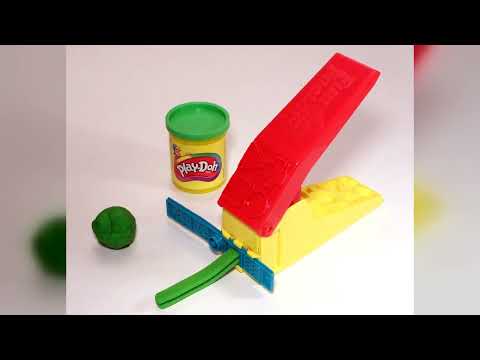
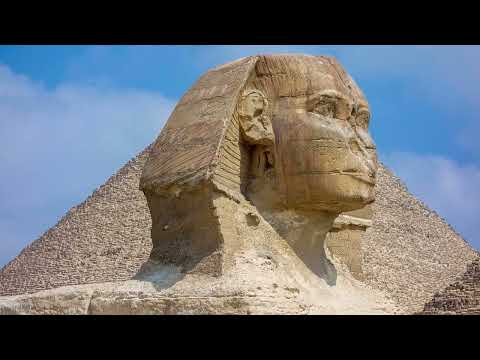
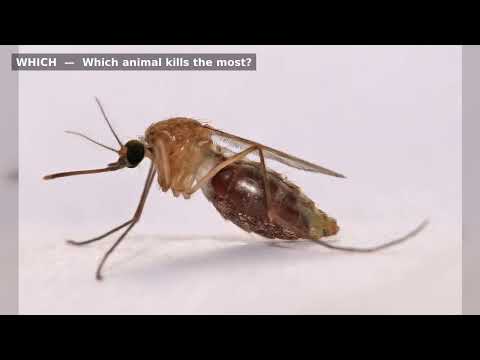
Seven questions, seven Ws, and every answer is a plot twist: why the sea is salty when rivers are fresh, what Play-Doh was really invented for, where it rains almost every day, when there was a year with no summer, how the pyramids were built, which animal kills the most humans, and whose wrong turn started a world war.
Watch on YouTube
Every river on Earth flows into the ocean, yet rivers are fresh and the sea is salty. Rivers quietly carry dissolved minerals from rock, the water evaporates away, and the salt stays behind — building up over millions of years.
Watch on YouTube
Play-Doh started life as a putty for wiping soot off wallpaper. When coal heating faded and the product flopped, a clever rebrand turned the failing cleaner into one of the most beloved toys ever made.
Watch on YouTube
Mawsynram in India catches monsoon clouds funnelled up steep hills, soaking it in around 12 metres of rain a year. See what everyday life actually looks like in the wettest inhabited place on the planet.
Watch on YouTube
In 1816 the eruption of Mount Tambora threw so much ash into the sky that summer never arrived. Crops failed, snow fell in June, and the gloom even inspired the writing of Frankenstein.
Watch on YouTube
No cranes, no trucks, no pulleys — just ramps, sledges, water-slicked sand and a staggeringly organised workforce. Here’s how the ancient Egyptians actually stacked 2.3 million blocks into the Great Pyramid.
Watch on YouTube
It isn’t the shark or the snake. The mosquito kills more people than any other creature, spreading malaria and other diseases to hundreds of millions each year from a body weighing just 2.5 milligrams.
Watch on YouTube
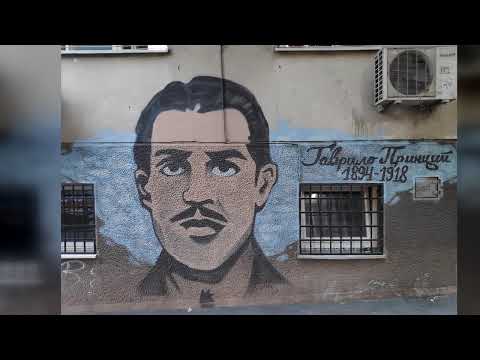
A chauffeur’s wrong turn in Sarajevo rolled the car to a stop right in front of Gavrilo Princip — who assassinated Archduke Franz Ferdinand and lit the fuse of the First World War.
Watch on YouTube
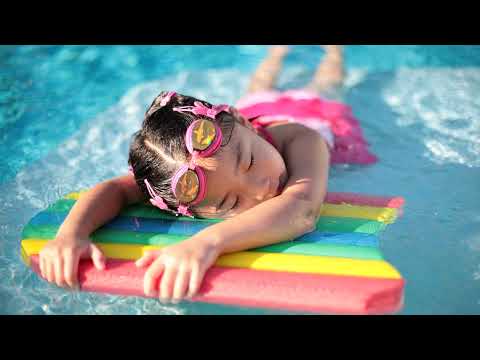
It isn’t the water soaking in — it’s your nervous system. Nerves tell the blood vessels to tighten, folding your fingertips into ridges that grip wet surfaces like tyre treads.
Watch on YouTube
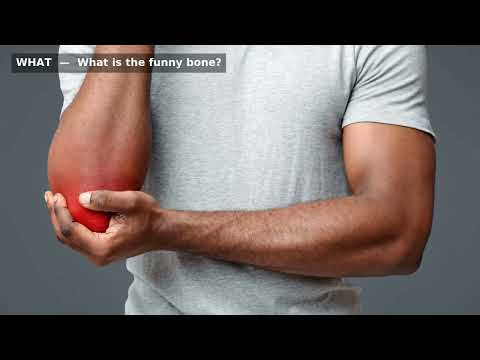
That electric jolt comes from the ulnar nerve, which passes through the cubital tunnel at your elbow protected only by skin and fat — and the name is a pun on “humerus.”
Watch on YouTube
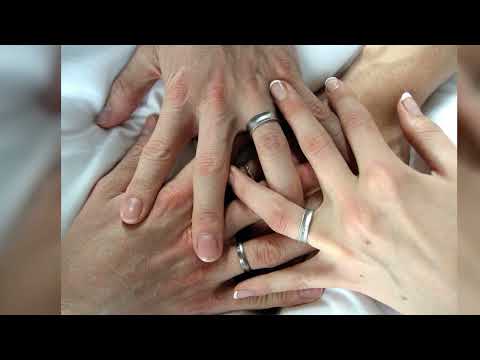
The ancient Romans thought a “vena amoris” ran from the fourth finger straight to the heart. Anatomy disproved it, but the romantic tradition stuck around the world.
Watch on YouTube
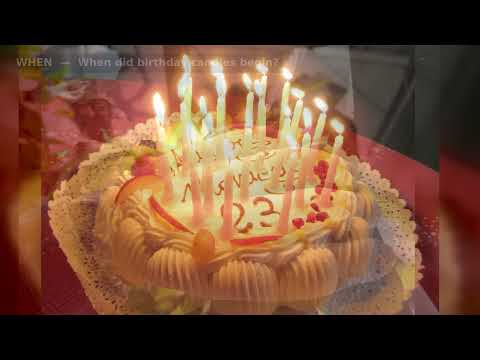
The custom traces to 1700s Germany and the Kinderfest: one candle for every year plus one for the year to come, kept burning all day and blown out with a wish.
Watch on YouTube
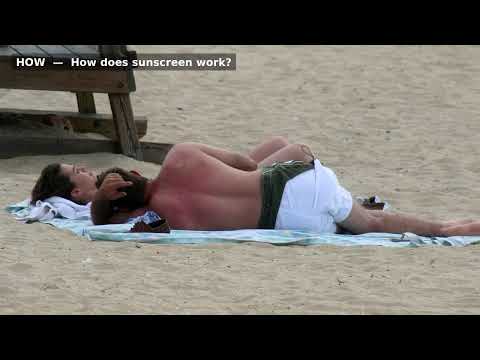
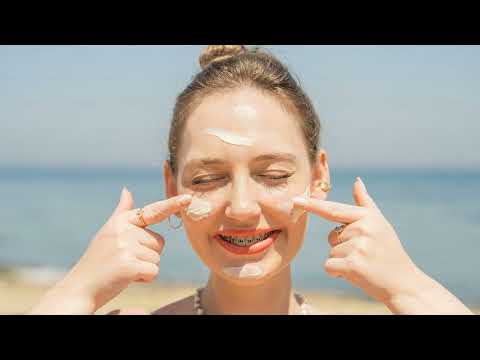
Mineral filters block and scatter UV while chemical filters absorb it as heat. SPF 15, 30 and 50 block about 93%, 97% and 98% of UVB — so doubling the number doesn’t double protection.
Watch on YouTube
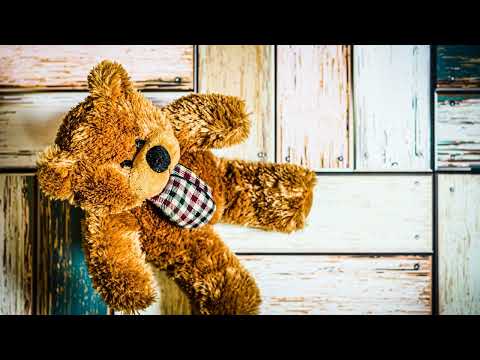
In 1902, Theodore Roosevelt refused to shoot a tied bear on a Mississippi hunt. A newspaper cartoon inspired a Brooklyn shopkeeper’s “Teddy’s Bear” — and the world’s favourite toy was born.
Watch on YouTube
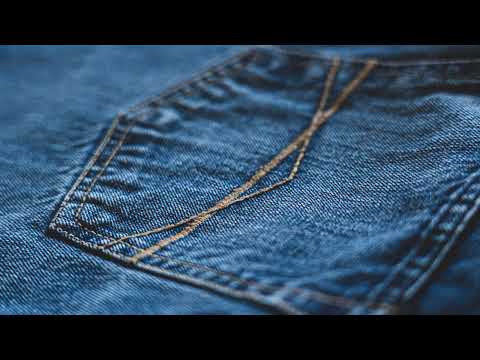
The real spark was Jacob Davis, a Reno tailor who riveted trouser pockets but couldn’t afford the patent fee. He partnered with merchant Levi Strauss, and in 1873 blue jeans were patented.
Watch on YouTube
One question for each W: why fingers wrinkle in water, what the funny bone really is, where the wedding ring goes and why, when birthday candles began, how sunscreen works, which toy is named after a president, and whose invention blue jeans were.
Watch on YouTube
An open right hand once meant “I’m not holding a weapon” — and the up-and-down shake may even have been to dislodge a blade hidden up a sleeve. What began as a trust check is now a daily reflex.
Watch on YouTube
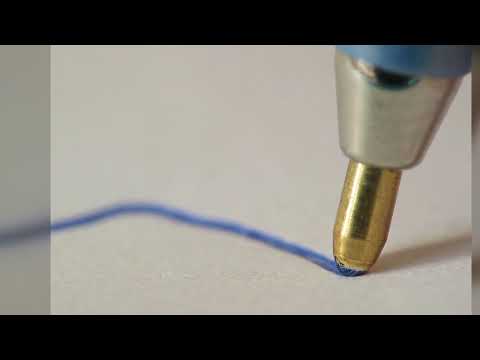
It is not a design flaw and it is not for drying ink. The little hole in a pen cap follows a global safety standard (ISO 11540) that keeps an air channel open, so if a cap is ever swallowed you can still breathe.
Watch on YouTube
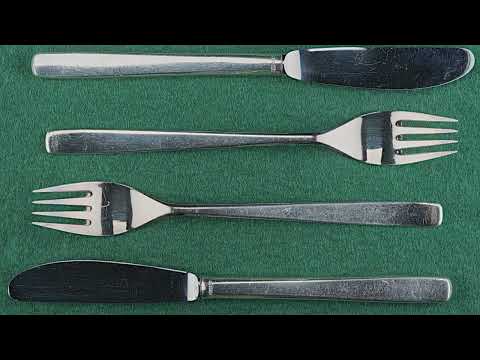
The fork took centuries to win us over. A Byzantine princess famously brought a golden one to Venice around 1004, and local clergy condemned it as sinful vanity, insisting fingers were God-given tools.
Watch on YouTube
It began as an 1839 Boston newspaper gag, “oll korrect,” a jokey misspelling of “all correct.” Then supporters of US President Martin Van Buren (“Old Kinderhook”) turned “OK” into a campaign slogan, and it went global.
Watch on YouTube
Shiny or dull, both sides of aluminium foil perform exactly the same. The difference in appearance is just a side-effect of manufacturing: foil is rolled in two layers at the final stage, so one side comes out shiny and the other dull.
Watch on YouTube
Sylvan Goldman introduced the shopping cart in Oklahoma City in 1937, but shoppers found it strange and refused to use it. So he hired actors to push carts around his store and make them look normal. It worked.
Watch on YouTube
Two forces do the work: adhesion (glue gripping the surface) and cohesion (glue holding itself together). And super glue needs a tiny bit of moisture in the air or on the surface to trigger the reaction that sets it rock-hard in seconds.
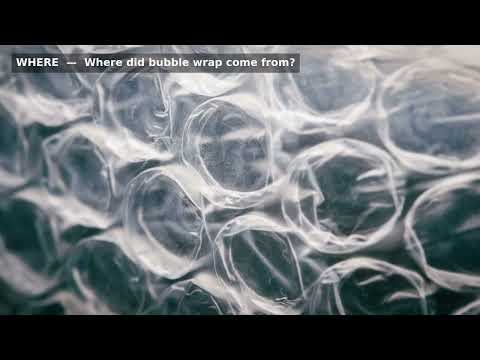
Watch on YouTube
Seven everyday things, seven questions you have never stopped to ask: why we shake hands, what the tiny hole in a pen cap is for, when the fork was invented, where the word “OK” comes from, which side of aluminium foil to use, whose idea the shopping trolley was, and how glue actually sticks.
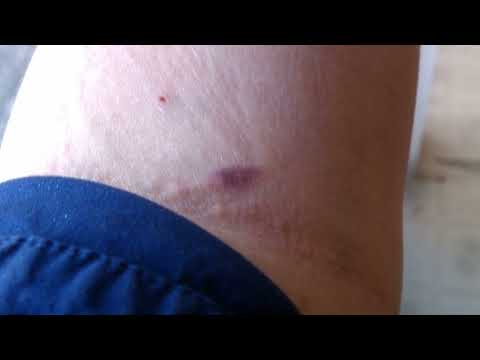
Watch on YouTube
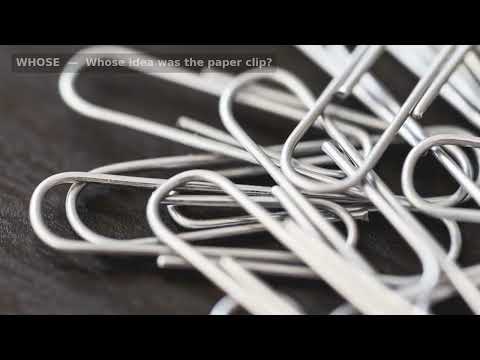
The paper clip feels too simple to have an inventor, yet its story is a tangle. A 1899 patent went to American William Middlebrook for the machine that bent them, while Norwegian Johan Vaaler is often credited — and Norway even raised a giant paper-clip monument in his honour. But the familiar Gem design he is celebrated for was never actually his.
Watch on YouTube
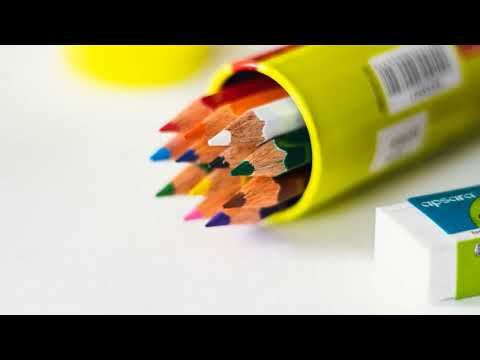
A pencil mark is just graphite clinging loosely to paper fibres. An eraser works by being stickier to graphite than the paper is: as you rub, the rubber grabs the graphite particles and crumbs away, carrying the mark with it. Before rubber erasers, people rubbed out pencil with rolled-up balls of moist bread.
Watch on YouTube
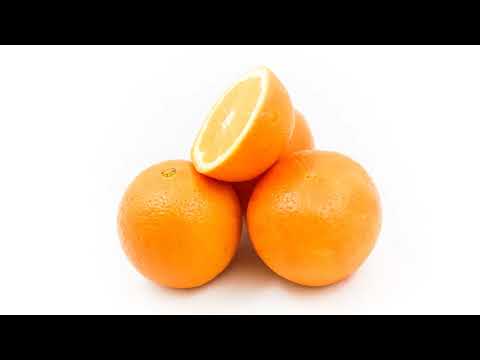
It sounds like a trick question, but it has a real answer: the fruit came first. The word "orange" named the fruit in English from around the 13th century, travelling through French, Arabic, Persian and Sanskrit. As a colour word it only appears from 1502 — before that, people called it yellow-red, saffron or citrine.
Watch on YouTube
That irresistible pop was never meant for packaging. In 1957, Alfred Fielding and Marc Chavannes were trying to make textured wallpaper by sealing two shower curtains together. It flopped. So did a second go as greenhouse insulation. Then someone realised the trapped air was brilliant at cushioning fragile things — and IBM became an early customer.
Watch on YouTube
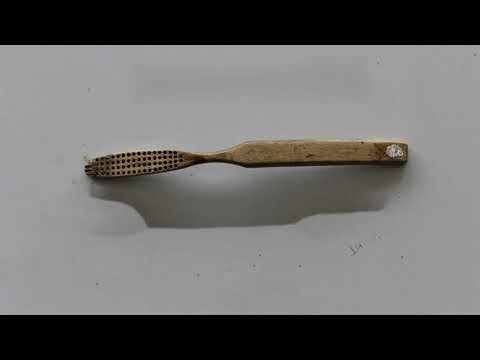
Humans cleaned their teeth with frayed chew sticks for thousands of years, and the first bristle toothbrush appeared in China in 1498. Then in 1780 an Englishman named William Addis, locked up in Newgate Prison, saved a bone, drilled holes in it and fixed in bristles — then built a toothbrush business when he got out. Nylon bristles arrived in 1938.
Watch on YouTube
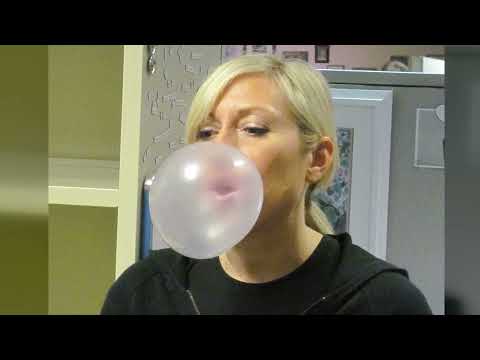
A stick of gum is two things at once: a gum base of resins and elastomers designed not to dissolve, and water-soluble sweeteners and flavourings. Every chew, your saliva dissolves a little more of the flavour and you swallow it — so within minutes the taste has literally gone down the hatch, leaving just the tasteless base.
Watch on YouTube
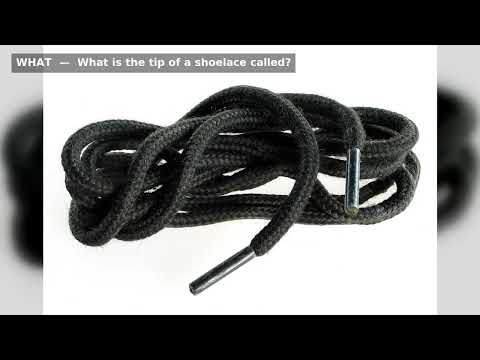
You've touched it thousands of times but never learned its name. That little plastic tip on a shoelace is called an aglet — from the Old French for "little needle" — and it stops the lace fraying while guiding it through the eyelets. Aglets are far older than sneakers, and Shakespeare even mentions one.
Watch on YouTube
Seven everyday things, seven stories hiding in plain sight: why chewing gum loses its flavour, what the plastic tip on a shoelace is called, when the toothbrush was invented, where bubble wrap really came from (hint: it was meant to be wallpaper), which came first — the colour orange or the fruit, whose idea the paper clip was, and how an eraser removes pencil marks.
Watch on YouTube
You liked our creations, you shared them, and you asked for more — so we built five brand-new features: Think You Know It, Save to My List, Challenge a Friend (with five ways to share), Reactions, and Surprise Me. All free, all waiting at se7enw.com.
Watch on YouTube
Seven everyday mysteries, one video: why cut fruit turns brown, what the dangling thing in your throat is, when money was invented, where house dust really comes from (hint: a lot of it is you), which animal sleeps the most, whose invention the zipper was, and how a bruise changes colour.
Watch on YouTube
Slice an apple and an enzyme called polyphenol oxidase meets the oxygen in the air, forming brown melanin pigments — the same family of pigment in your skin and hair. The fruit isn't rotting; it's basically caught a suntan. A squeeze of lemon juice slows it right down.
Watch on YouTube
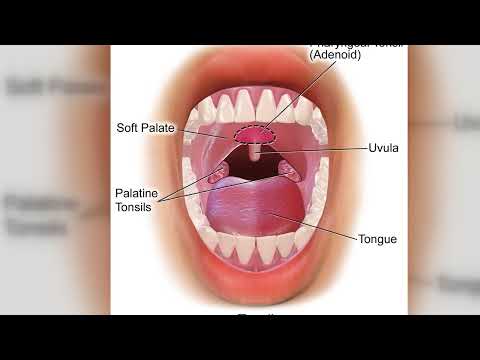
That little fleshy punching-bag at the back of your throat is the uvula. It makes saliva to keep your throat moist, helps stop food shooting up into your nose, shapes certain throaty speech sounds, and is a common cause of snoring. Humans are the only species with a proper one.
Watch on YouTube
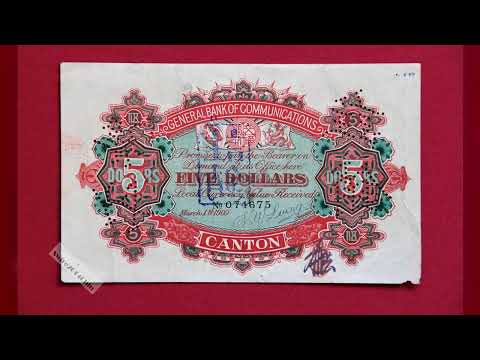
For most of history there was no money — people bartered, then used cattle, grain and salt (the word "salary" comes from salt), then cowrie shells. The first metal coins appeared around 600 BCE in Lydia, and paper money came much later in China.
Watch on YouTube
Red to purple to green to yellow is your body's clean-up crew at work. Burst blood vessels leak blood under the skin, then special cells break down haemoglobin into green biliverdin and yellow bilirubin before clearing it away. A bruise is a time-lapse of healing.
Watch on YouTube
It took almost 30 years and several inventors: Elias Howe (1851), Whitcomb Judson (1893), and finally Gideon Sundback (1913), who designed the smooth version we use today. The name "zipper" came from B.F. Goodrich's rubber boots.
Watch on YouTube
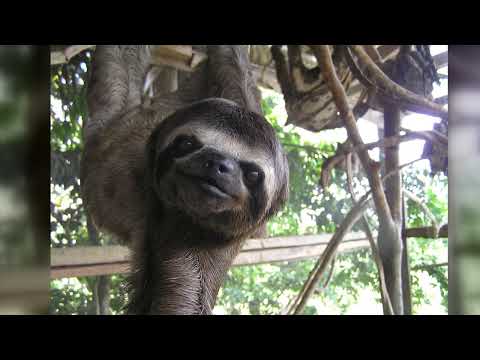
The koala — up to 22 hours a day. It's not laziness; eucalyptus leaves are so low in nutrients and mildly toxic that koalas conserve every scrap of energy. Giraffes, at the other end, may sleep as little as 2 hours.
Watch on YouTube
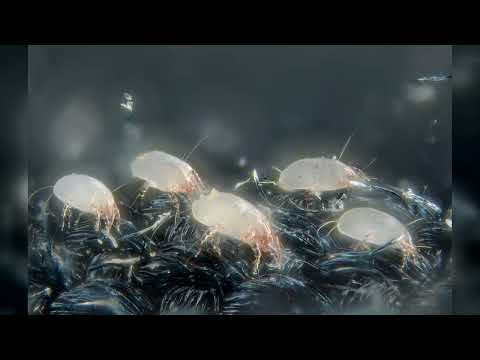
A lot of household dust is dead skin cells your body sheds constantly — plus fabric fibres, soil, pollen, pet dander, and dust blown in from far away. Living in it: microscopic dust mites that feed on your skin flakes.
Watch on YouTube
Its real name is sphenopalatine ganglioneuralgia. When ice-cold food hits the roof of your mouth, blood vessels clamp and swell, the trigeminal nerve fires — and your brain refers the pain to your forehead. Fix: press your tongue to the roof of your mouth.
Watch on YouTube
Every soap molecule has a split personality — one end loves water, the other clings to fat. Soap burrows into a germ's fatty coat and tears it apart from the inside. That's why 20 seconds of scrubbing matters.
Watch on YouTube
You don't burn it off as energy. You BREATHE it out. About 84% of the fat you lose leaves your body as carbon dioxide through your lungs. Your lungs are literally your #1 weight-loss organ.
Watch on YouTube
The first spectacles appeared in Italy around 1280. Monks used them. But it wasn't until the printing press in the 1450s that demand for reading glasses exploded — transforming them into one of the most life-changing everyday inventions ever.
Watch on YouTube
Honey from Egyptian tombs — over 3,000 years old — was still perfectly edible. Salt, sugar, dry white rice and white vinegar last practically forever too. The secret: no water = no life = no spoilage.
Watch on YouTube
John Montagu, the 4th Earl of Sandwich, asked for meat between bread so he could keep playing cards one-handed. The name first appeared in print in 1762 — and 260+ years later, we're still calling it a sandwich.
Watch on YouTube
Your diaphragm spasms, your throat snaps shut — that snap is the "hic." Scientists think hiccups might be a leftover reflex from our amphibian ancestors. That's why babies hiccup in the womb before they've ever taken a breath.
Watch on YouTube
Why do we hiccup? What causes brain freeze? Where does body fat actually go when you lose weight? Seven everyday mysteries — from glasses and honey to the sandwich and soap — answered in one video.
Watch on YouTube
GPS relies on Einstein's theory of relativity to pinpoint your location. Without corrections for time dilation, your phone's position would drift by kilometres every day.
Watch on YouTube
Saturn is so light that if you had a bathtub big enough, it would actually float. A look at the gas giant's surprisingly low density.
Watch on YouTube
Voyager 1 launched in 1977 and is now the farthest human-made object from Earth — still transmitting data from interstellar space billions of kilometres away.
Watch on YouTube
For most of human history, there was no concept of zero. How did civilisations count, calculate, and build without it — and who finally invented it?
Watch on YouTube
Your brain can trick your body into healing — even when the medicine is fake. A look at the fascinating science behind the placebo effect and why it works.
Watch on YouTube
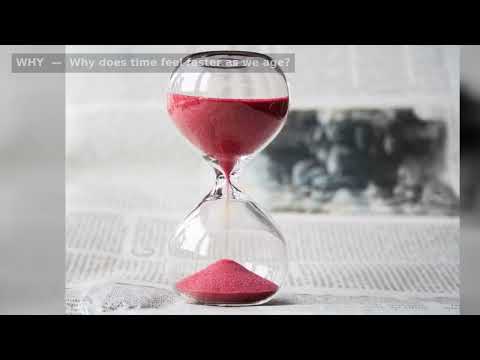
A quick dive into why the years seem to fly by faster and faster — it's all about proportional theory, novelty, and how your brain encodes new experiences.
Watch on YouTube
Seven mind-blowing facts you never knew — why time seems to speed up as you age, why Saturn could float in a bathtub, and more surprising answers from se7enW.
Watch on YouTube
Seven more of the questions everyone Googles, finally answered. Why do we get "hangry"? What is petrichor, the smell of rain? When was the first selfie taken (1839)? Where is the quietest place on Earth? Which colour doesn't actually exist? Whose face inspired the Statue of Liberty? And how does caffeine really keep you awake?
Watch on YouTube
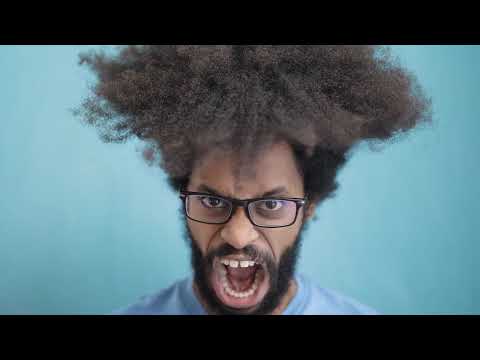
It's not just an excuse — it's real biology. When you haven't eaten, blood glucose drops and your brain releases stress hormones like cortisol and adrenaline, the same chemicals tied to anger. Low blood sugar also weakens impulse control. The simplest cure? Often just something to eat.
Watch on YouTube
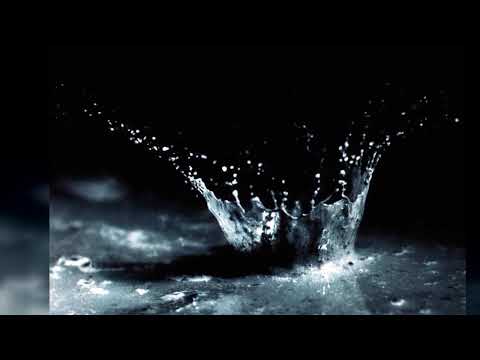
That fresh, earthy scent after rain is called petrichor — coined in 1964 by two Australian scientists. Much of it comes from geosmin, released by soil bacteria. When raindrops land, they fling these molecules into the air as a fine mist, and our noses detect them at just a few parts per trillion.
Watch on YouTube
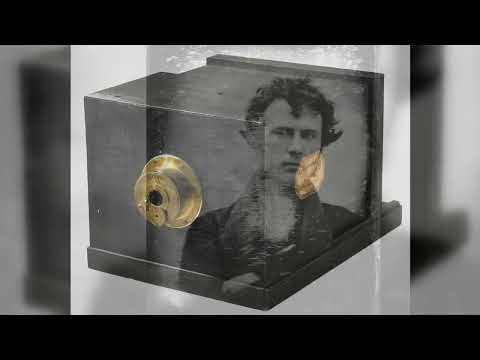
Long before smartphones, Robert Cornelius set up a camera outside his family's Philadelphia shop in 1839, removed the lens cap, ran into the frame, and sat still for about a minute. On the back he wrote: "the first light picture ever taken." The selfie is almost as old as photography itself.
Watch on YouTube
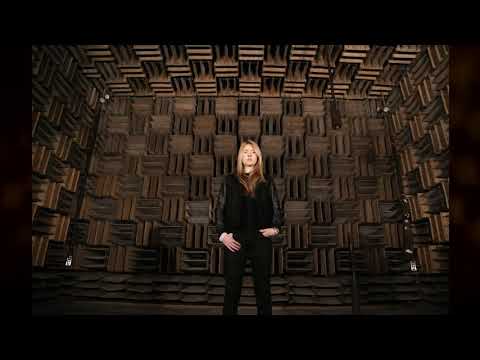
It's an anechoic chamber — a room built to absorb nearly all sound. Walls of foam wedges soak up echoes, dropping the noise level below the threshold of human hearing. In the silence you start to hear your own heartbeat, breathing and blood flow. Most people find it so disorienting they can't stay inside for long.
Watch on YouTube
Magenta. There's no single wavelength of light for it — unlike red, green or blue, it never appears in the rainbow. When your eyes catch red and blue light at once (with no green in between), your brain refuses to average them into green and instead invents a brand-new colour to bridge the gap. Magenta is a trick of the mind.
Watch on YouTube
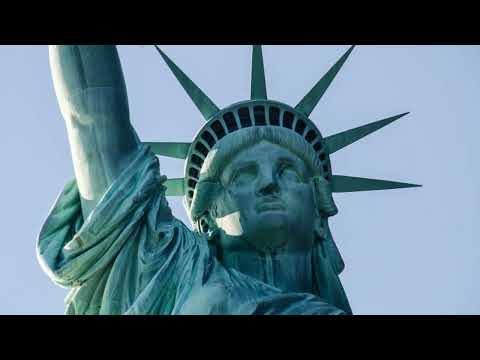
The sculptor, Frédéric Auguste Bartholdi, never fully explained whose face he used. The most enduring story says he modelled Lady Liberty's serious, resolute features on his own mother, Charlotte. Others suggest a blend of classical ideals of the Roman goddess Libertas. Either way, the calm, commanding face has welcomed millions to New York since 1886.
Watch on YouTube
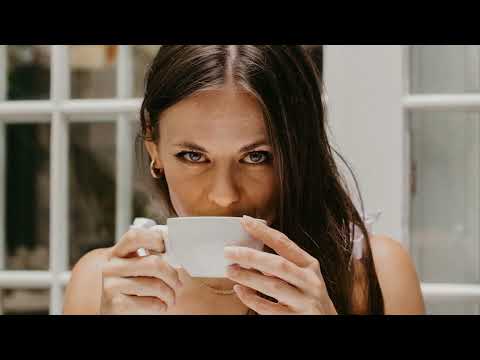
Caffeine doesn't add energy — it blocks tiredness. As you stay awake, a molecule called adenosine builds up and makes you drowsy by latching onto receptors in your brain. Caffeine is shaped just like adenosine, so it slips into those same receptors and jams the signal. The fatigue is still there; you just can't feel it — until the caffeine wears off and it all comes rushing back.
Watch on YouTube
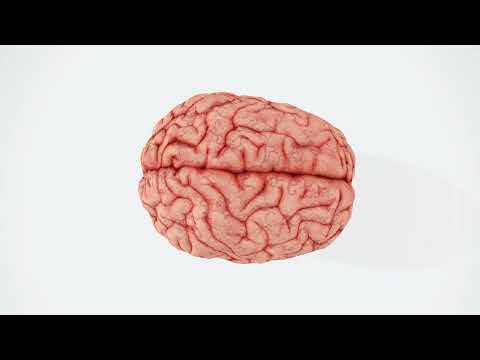
When Einstein died in 1955, pathologist Thomas Harvey quietly removed his brain without clear permission. He cut it into about 240 pieces, preserved them in jars, and kept them for more than 40 years — at one point in a cider box in his home. Studies found unusual features, including extra glial cells.
Watch on YouTube
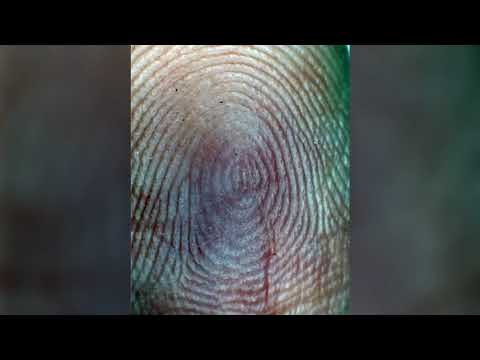
At ten weeks in the womb, tiny ridges spread across your fingertips like ripples on a pond. By seventeen weeks your pattern is locked in for life. Genes decide loops, whorls or arches — but chance shapes the fine detail. That's why even identical twins have different fingerprints.
Watch on YouTube
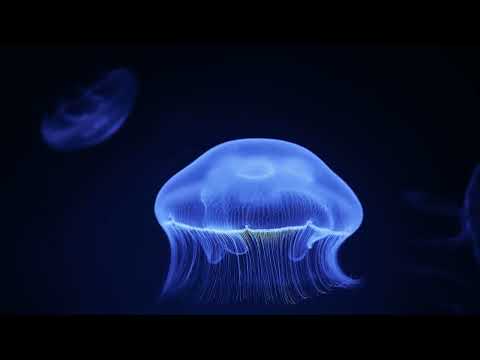
Meet Turritopsis dohrnii — a jellyfish barely bigger than a fingernail that can reverse its life cycle when injured or ageing, transforming back into a young polyp through transdifferentiation. Biologically, it has found a way to cheat old age.
Watch on YouTube
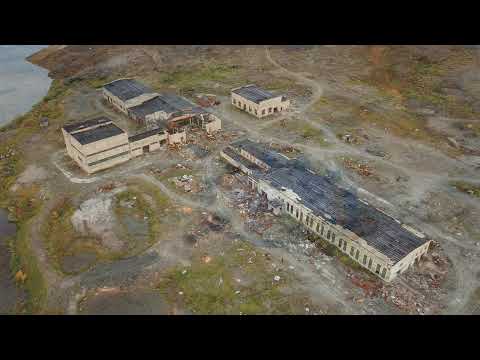
In 1970, Soviet scientists began drilling straight down into the Earth's crust. By 1989 the Kola Superdeep Borehole reached 12,262 metres — deeper than Everest is tall — through a hole only 23 cm wide. They stopped when rock at 180°C started behaving like hot plastic.
Watch on YouTube
Clothing never survives in the ground, so scientists turned to lice DNA. The split between head lice and body lice dates back at least 83,000 years — possibly 170,000 — giving us a biological timestamp for the invention of clothing, right in the middle of an ice age.
Watch on YouTube
About two thirds of people report déjà vu — that uncanny feeling you've already lived a moment. Most scientists think it's a tiny glitch in the brain's memory system: a familiarity signal fires without a matching memory. The good news? It may be a sign your brain is checking its own files for errors.
Watch on YouTube
You learned to walk, talk, and recognise faces as a baby — yet you can't remember any of it. Scientists call it infantile amnesia: the hippocampus is still developing, and rapid brain-cell growth scrambles early memories before they stick. But brain scans suggest babies DO form memories — we just lose the ability to reach them.
Watch on YouTube
Why can't you remember being a baby? What is déjà vu? When did humans first wear clothes? Where is the deepest hole ever dug? Which animal is basically immortal? Whose brain was secretly kept for decades? How do fingerprints form? Seven questions, seven mind-blowing answers.
Watch on YouTube
A compilation of 7 big questions everyone types into Google — one from each W — with the real answers, real numbers, and real footage behind them.
Watch on YouTube
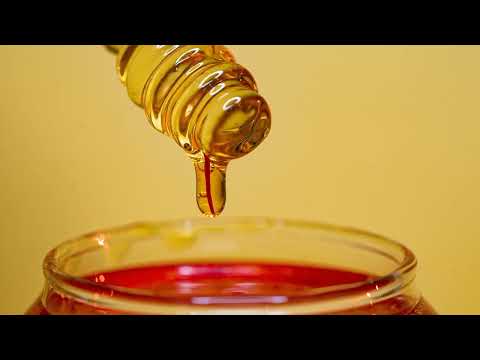
From flower to hive, bees transform thin nectar into thick golden honey through an assembly line of foragers, processors and fanners. They pass nectar mouth-to-mouth, break down its complex sugars with enzymes, then fan the cells with their wings until the water content drops below 18 % — sealing each cell with a wax cap for long-term storage.
Watch on YouTube
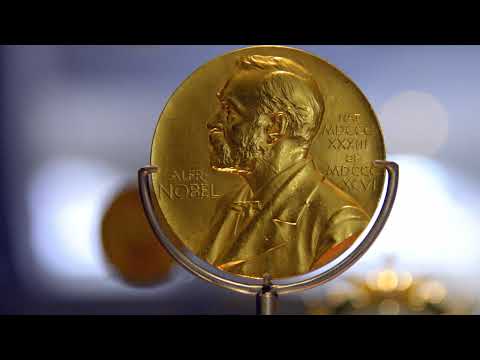
Marie Curie discovered two elements — polonium and radium — coined the term "radioactivity", and became the first person to win Nobel Prizes in two different sciences. Her research revolutionised physics and medicine, yet she worked for years in a converted shed with no funding and no safety equipment.
Watch on YouTube
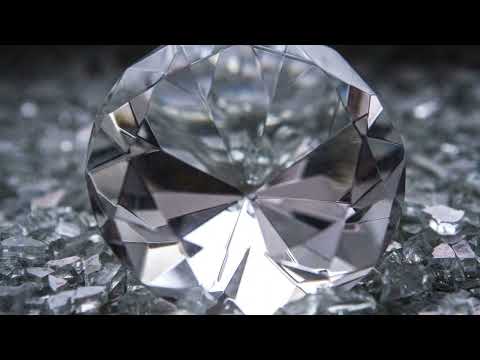
Deep inside Neptune and Uranus, extreme pressure and heat crush carbon atoms into actual diamonds that rain through the atmosphere like hailstones. Scientists have recreated the process in the lab, confirming that diamond rain is real — and it may be happening on ice giants across the galaxy.
Watch on YouTube
Point Nemo is the oceanic pole of inaccessibility — the spot in the Pacific farthest from any land, roughly 2,688 km from the nearest coastlines. It is so remote that the closest humans are often the astronauts aboard the International Space Station passing overhead, and it serves as the “spacecraft cemetery” where retired satellites are deliberately brought down.
Watch on YouTube
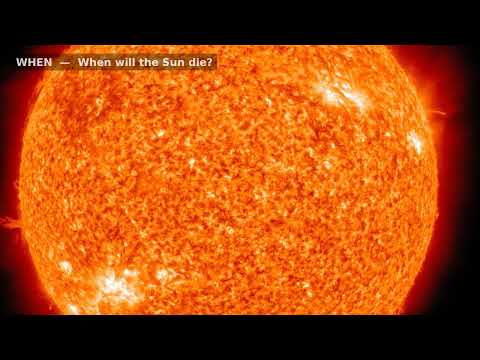
The Sun is roughly 4.6 billion years old — about halfway through its life. In around 5 billion years it will exhaust its hydrogen fuel, swell into a red giant large enough to swallow Mercury, Venus and possibly Earth, then fade into a white dwarf cooling over trillions of years.
Watch on YouTube
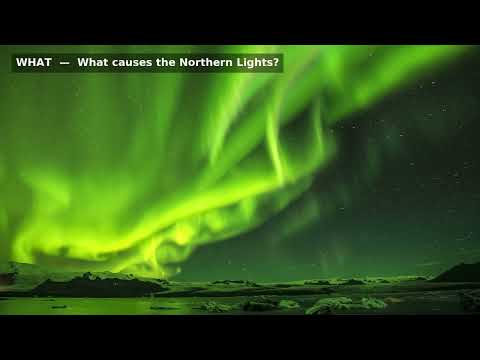
High above the Arctic, the sky erupts in ribbons of shimmering green, violet, and pink. It all begins 93 million miles away on the surface of the Sun — solar storms send charged particles racing through space, guided by Earth's magnetic field to the poles, creating nature's most breathtaking light show.
Watch on YouTube
Why do onions make us cry? What causes the Northern Lights? When will the Sun die? Where is the loneliest place on Earth? Which planets rain diamonds? Whose discovery unlocked radioactivity? How do bees make honey? Seven mind-blowing answers in one video.
Watch on YouTube
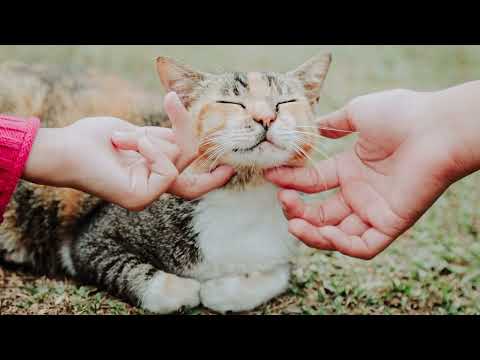
Why do cats purr? What is a black hole? Where is the Mariana Trench? When will Halley's Comet return? Which animal is the fastest? Whose theory was E=mc²? How do airplanes fly? Seven fascinating answers in one video.
Watch on YouTube
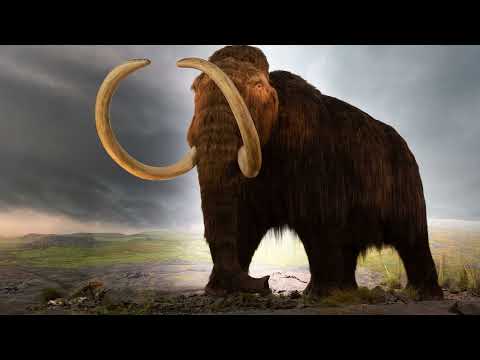
The Moon's locked face, a million-year-old forest, mammoths alive with the pharaohs, Bolivia's salt mirror, an immortal jellyfish, the Post-it accident, and trees that talk underground.
Watch on YouTube
Every question deserves an answer — and these seven are extraordinary.
Watch on YouTube
Where curiosity meets answers — seven more questions explored.
Watch on YouTube
The questions that shape our understanding of the world — answered.
Watch on YouTube
Science, history and nature — explained through the lens of the 7 Ws.
Watch on YouTube
A deep dive into some of the world's most fascinating facts and stories.
Watch on YouTube
Surprising answers to questions you have always wondered about.
Watch on YouTube
Exploring fascinating questions across the seven Ws of knowledge.
Watch on YouTube
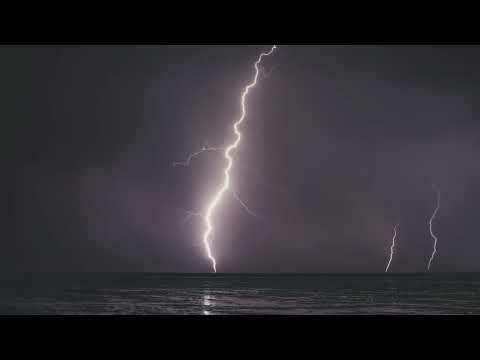
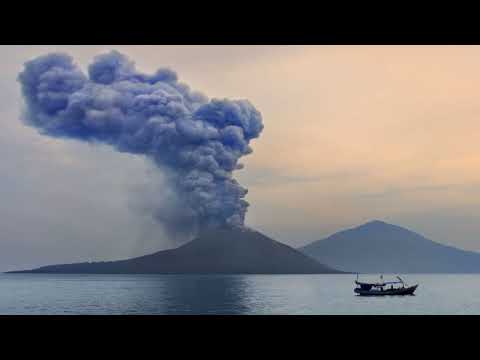
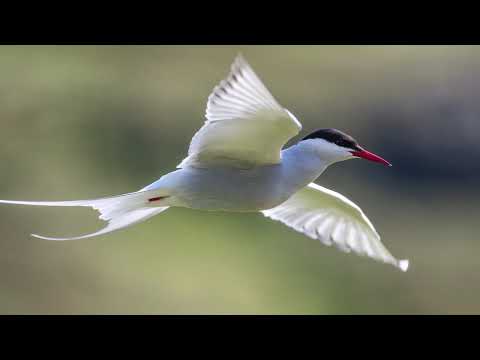
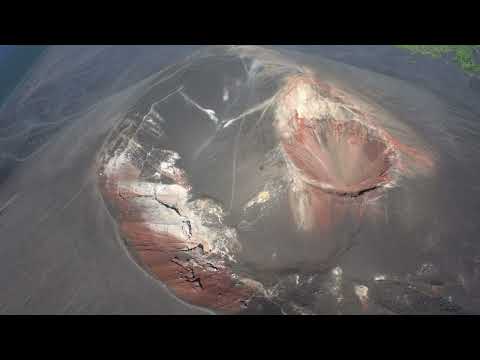
Lightning, volcanoes, Arctic terns, Enigma codes and more — seven extraordinary stories from our world.
Watch on YouTube
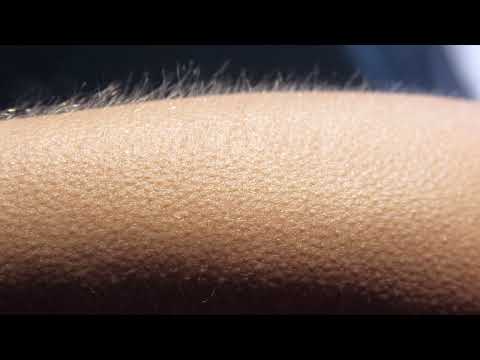
The science behind that tingling feeling — goosebumps explained.
Watch on YouTube
Alexander Fleming and the accidental discovery that launched the age of antibiotics.
Watch on YouTube
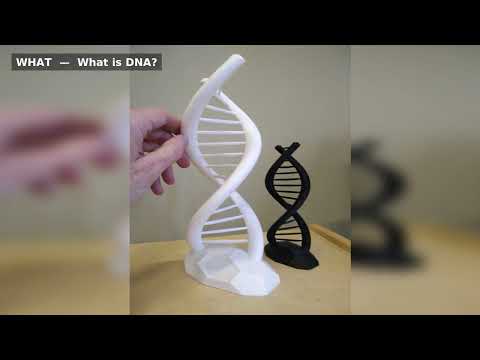
The blueprint of life — DNA and the double helix explained.
Watch on YouTube
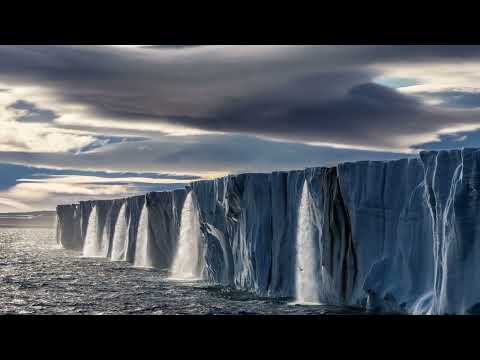
Earth's frozen past and the dawn of the Holocene — the last ice age explained.
Watch on YouTube
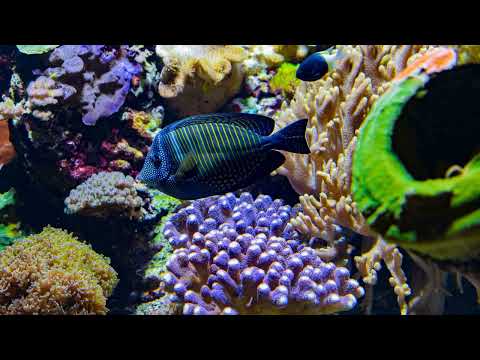
The largest coral reef on Earth — Australia's Great Barrier Reef explored.
Watch on YouTube
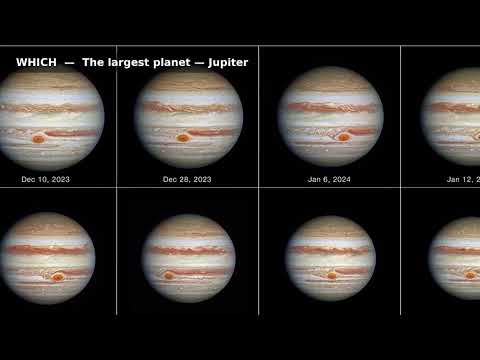
Jupiter — the solar system's giant with the Great Red Spot explained.
Watch on YouTube
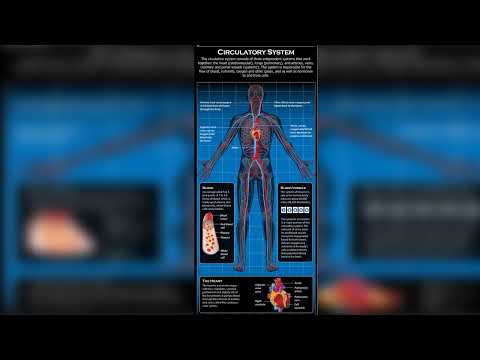
Your body's most vital pump — the human heart explained.
Watch on YouTube
From the biology of goosebumps to the planet that could swallow a thousand Earths.
Watch on YouTube
Every question. Every answer. Every detail. Welcome to se7enW.
Watch on YouTube
Blue skies, deep oceans and the Moon — seven questions explained.
Watch on YouTube
Seven questions that will change how you see the world.
Watch on YouTube
Pandas, axolotls, Tunguska, glow sticks and more — 175 new questions added to se7enW.
Watch on YouTube
The WHYs, WHATs and WHENs everyone Googles — answered in five minutes.
Watch on YouTube
Yawns, deserts, Wi-Fi and more — everyday questions with surprising answers.
Watch on YouTubeTake the 7-question quiz on Episode 17 — 7 Everyday Mysteries. Score 7/7 and screenshot it to show off.
Take the episode quiz →Every question on se7enW comes with a suggested YouTube angle — catchy titles ready to engage your audience.